Ready to talk with us? Call (205) 995-9967 or request an appointment online.
What is a vertebral compression fracture?
A vertebral compression fracture happens when a vertebra, one of the block-shaped bones of the spine, cracks and collapses. The bone loses height and may press on nearby tissues. The American Association of Neurological Surgeons and RadiologyInfo both describe osteoporosis as the most common cause. When bones are weak enough, an everyday movement like bending, lifting, coughing, or a minor fall can be enough to cause one. Trauma and cancer that has spread to the spine are other causes.
Learn more on our vertebral compression fracture and osteoporosis pages.
What are the signs of a compression fracture?
- Sudden back pain, often in the middle or lower back
- Pain that gets worse when standing or walking and eases when lying down
- Less ability to bend or twist
- Loss of height, or a rounded, stooped posture (kyphosis) over time
Not every compression fracture is painful, and other conditions can mimic fracture pain. That's why a careful evaluation and imaging matter. Seek emergency care right away for new weakness, numbness in the legs, or loss of bladder or bowel control.
How is a compression fracture treated?
Some fractures heal with rest, pain medication, bracing, and time. When pain is severe or isn't improving, a vertebral augmentation procedure may be considered. The two main types are vertebroplasty and kyphoplasty. RadiologyInfo describes vertebroplasty as injecting cement directly into the fractured bone. In kyphoplasty, a balloon is first inserted to create a space, and then the space is filled with cement.
At Southern Pain Specialists, the doctor confirms which vertebra is causing your pain before recommending kyphoplasty. Diagnostic nerve blocks may help rule out other pain sources.
How does kyphoplasty work?
- You're positioned face-down. The skin is numbed, and our practice offers anesthesia services for comfort.
- Using live X-ray guidance, the doctor passes a hollow needle into the fractured vertebra through small incisions.
- A small balloon is inflated inside the bone to create a cavity and help restore height.
- The balloon is removed, and medical bone cement fills the space. It hardens quickly and stabilizes the fracture.
The procedure is minimally invasive. RadiologyInfo notes that no large surgical incision is needed.
Why does timing matter for kyphoplasty?
RadiologyInfo states that vertebroplasty and kyphoplasty should be done within about eight weeks of the acute fracture for the highest chance of success. Long waits for an appointment can eat into that window. Southern Pain Specialists is an independent practice, and procedures can typically be scheduled within a week. If you have sudden back pain and osteoporosis or a recent fall, call (205) 995-9967 to be evaluated.
What are the benefits and risks?
According to RadiologyInfo, these procedures usually relieve the pain of a compression fracture. Many patients feel significant relief almost immediately or within a few days, and many regain mobility. Being able to get up and move again matters, especially for older adults.
As with any procedure, there are risks. RadiologyInfo lists infection, which is uncommon; bone cement leaking outside the vertebra, which usually isn't serious but can be in rare cases; bleeding; increased back pain; and nerve symptoms such as numbness or tingling. The doctor will discuss your specific risks and alternatives.
How do DEXA scans and kyphoplasty connect?
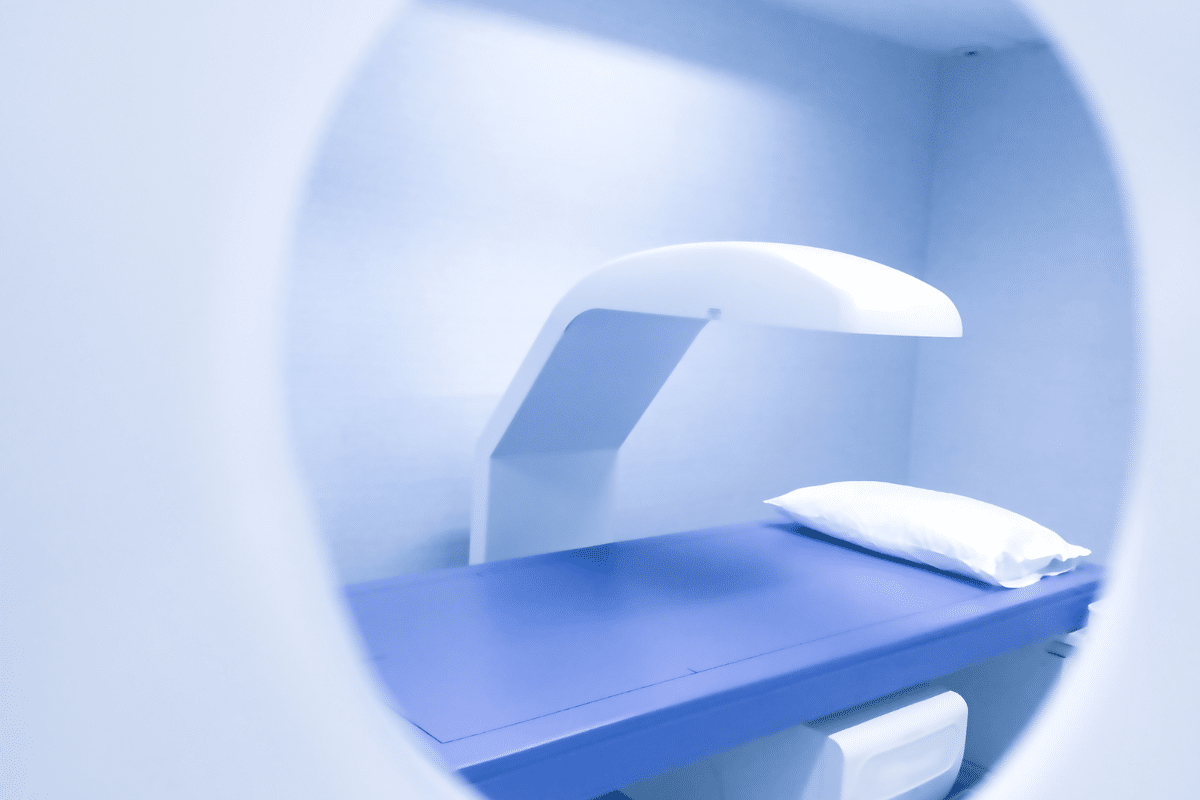
A compression fracture is often the first sign that someone has osteoporosis. The Bone Health & Osteoporosis Foundation notes that a spine fracture after age 50 can mean osteoporosis regardless of your T-score. Repairing one fracture doesn't strengthen the rest of your skeleton. A DEXA bone density scan helps you and your doctor understand your bone health and fracture risk so you can take steps to prevent the next break. Southern Pain Specialists offers in-office DEXA scans, and we can often get you in the same day.
How much does kyphoplasty cost?
Kyphoplasty costs more than our typical procedures, and pricing is quoted individually based on your situation. Call (205) 995-9967 for a quote. We do not charge a facility fee, and we welcome self-pay patients and accept most commercial insurance plans and traditional Medicare.
What is recovery like?
Most people go home the same day with a driver and written after-care instructions. Pre-op and post-op information is on our Patient Resources page. Ask the doctor when you can return to normal activity and what bone health steps make sense for you. Ready to be seen? request an appointment.
Sources
General medical information in this article draws on these public sources (links checked November 21, 2026). Prices and services describe Southern Pain Specialists only.
- RadiologyInfo.org (ACR/RSNA): Vertebroplasty and Kyphoplasty
- MedlinePlus (NIH): Vertebroplasty (includes kyphoplasty)
- American Association of Neurological Surgeons: Vertebral Compression Fractures
- Bone Health & Osteoporosis Foundation: Evaluation of Bone Health/Bone Density Testing
- NIH NIAMS: Osteoporosis
This article is general information, not medical advice. It does not replace an evaluation by a qualified clinician. Talk with your doctor about your own symptoms and treatment options. If you think you have a medical emergency, call 911.